
Our farm is located in Western Washington State. And within our specific region? This puts us in Garden Zone 8b. Our average last frost date is April 8th and our average first frost date is November 8th. (You can look up what your region is by use the links below.) What does this mean and why is this important to know?
(Reminder: This information- and more- is found in my FOUNDATIONS Workshop, housed in my Seasonal Cottage Gardening Course. If this is helpful to you, consider looking at what other workshops I have! Because it's Spring now, here's the link to SPRING Cottage Gardening)
Garden Zone
Garden Zones help us learn more about our regional climates and the plants that will thrive there. It‘s important to know because it helps us know what plants will thrive in our locations. The garden zone index has to do with the coldest winter temperatures, so plants will be labeled according to the temperature they can withstand.
Find your zone here: USDA Plant Hardiness Zone Map
Different plants need different conditions. Some plants need cold winters to thrive and others need mild winters. Some plants can survive over the winter and come back every year while others need to be planted each year and treated as annuals. Figuring out your garden zone will help you have better success at keeping plants alive and thriving, and this means healthier plants, better blooms, and better harvests.
Average Frost Dates
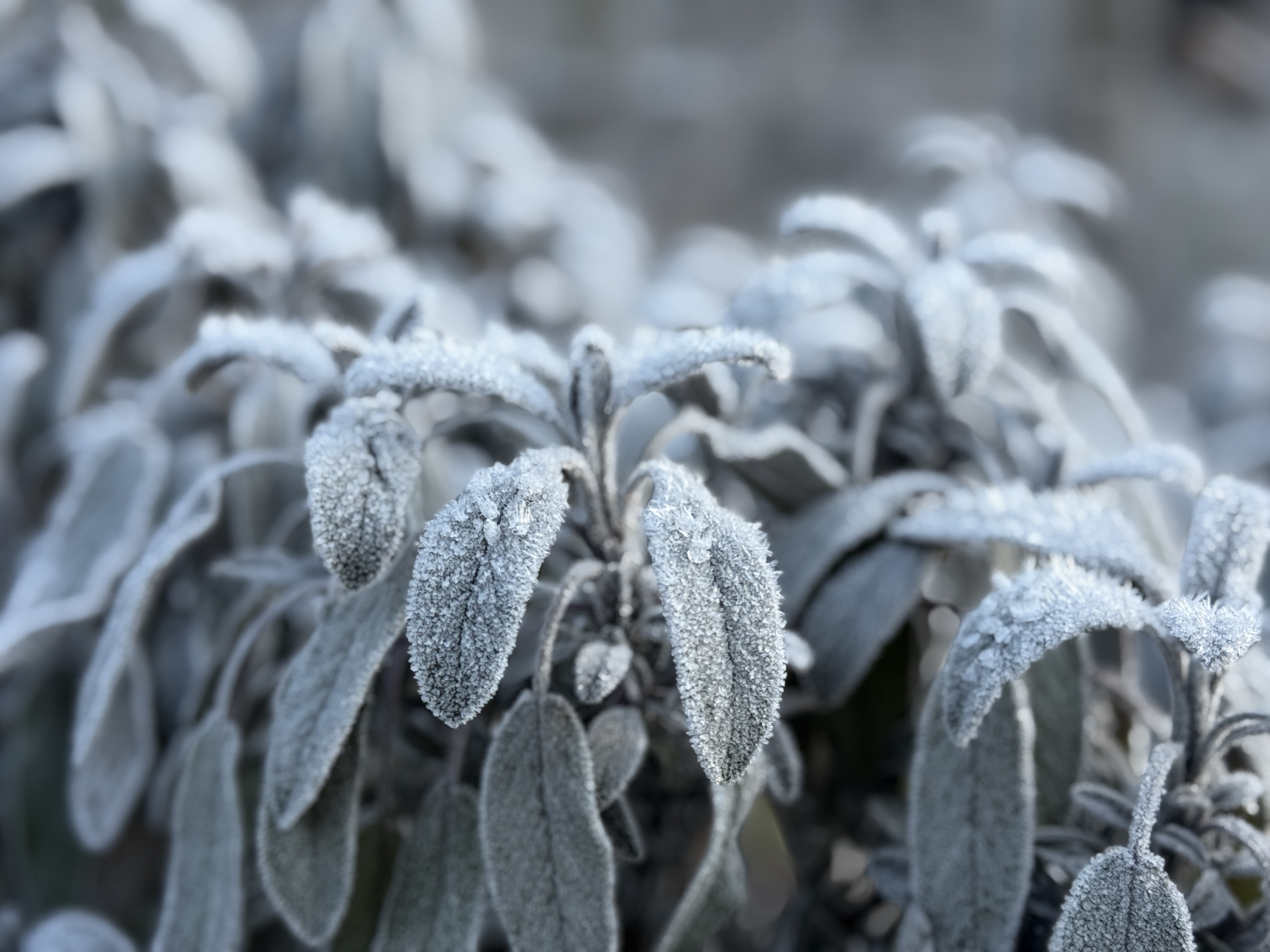
A location’s average frost dates tell us when the average first frost of the season will be (typically in the fall) and when the average last frost of the season will be (typically in the spring.
Find your frost dates here: Old Farmer’s Almanac Frost Dates
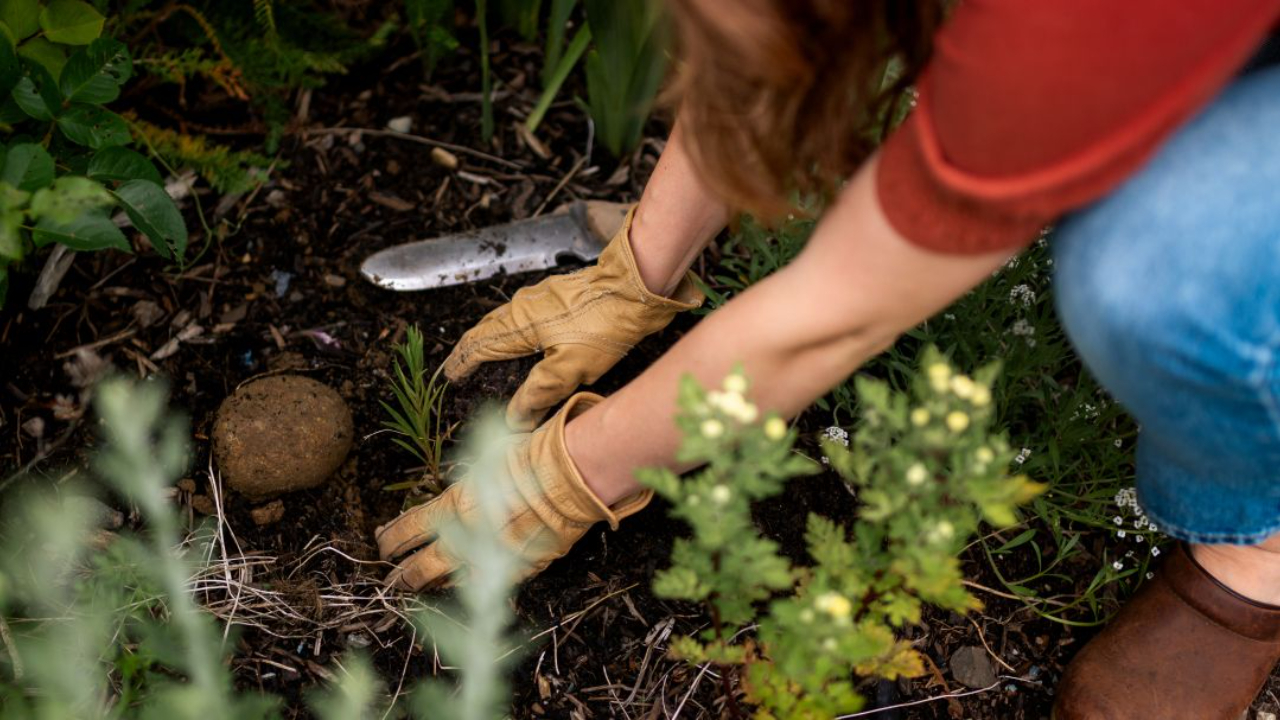
Frost dates generally signal the start and end to the growing season. They are important in determining when to start seeds (reading a seed packet, it will say something such as “direct sow after the last frost or sow indoors 3-4 weeks prior to average last frost date”), when to plant out starts or direct sow in the spring, and when/if to plant in late summer for a fall/winter harvest.
Learning more about my climate (and our own micro climate) has helped me immensely as a gardener. Hopefully this will be helpful to you, too. Happy planting!

Responses